











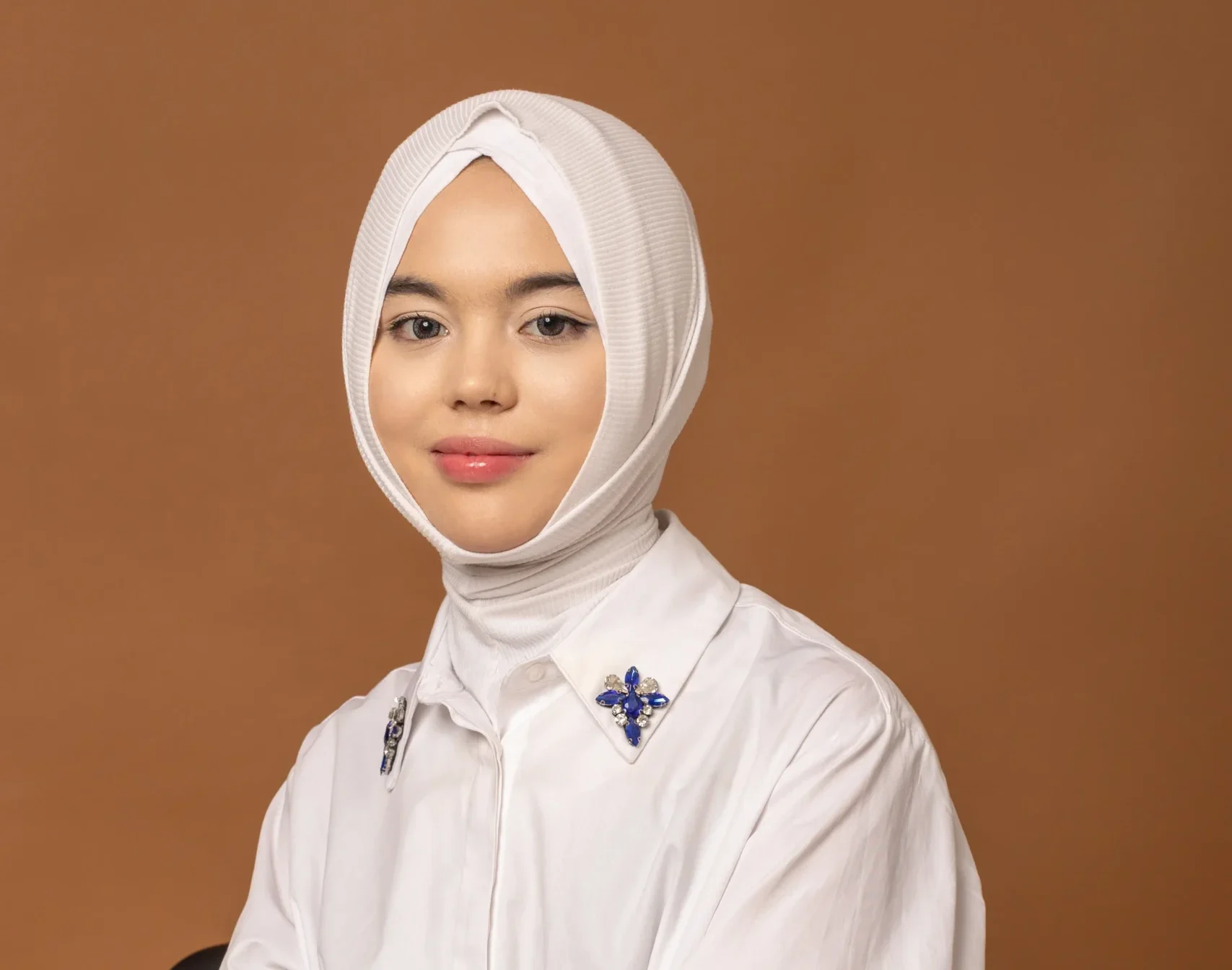
Gavharoy Abdukarimova is a young scientist in oncology whose work merges research, compassion, and innovation to transform pediatric cancer care. She is currently pursuing graduate studies in Health Information Management at Lewis University (Illinois, USA), with a growing focus on immuno-oncology, CAR-T cell therapy, and AI-based diagnostic systems.
Her ultimate mission: to build a pediatric cancer hospital that heals not only through advanced science but also through empathy and digital innovation.
Academic and Scientific Achievements
- Graduate Student, Lewis University, Illinois – specializing in health information management and data-driven cancer care solutions.
- Research Focus: CAR-T cell therapy, targeted treatments, and AI-assisted pathology systems for improving pediatric oncology outcomes.
- Published Author: Wrote the thought leadership article “Reimagining Pediatric Cancer Care: My Mission to Build a Hospital That Heals with Science and Compassion” on Medium, which has been recognized for its forward-thinking perspective on global healthcare reform.
Her research reflects a strong understanding of the intersection between medicine, data science, and healthcare delivery models, aligning with current global priorities in personalized cancer therapy.
Founder of “Tvori Dobro” (Create Kindness)
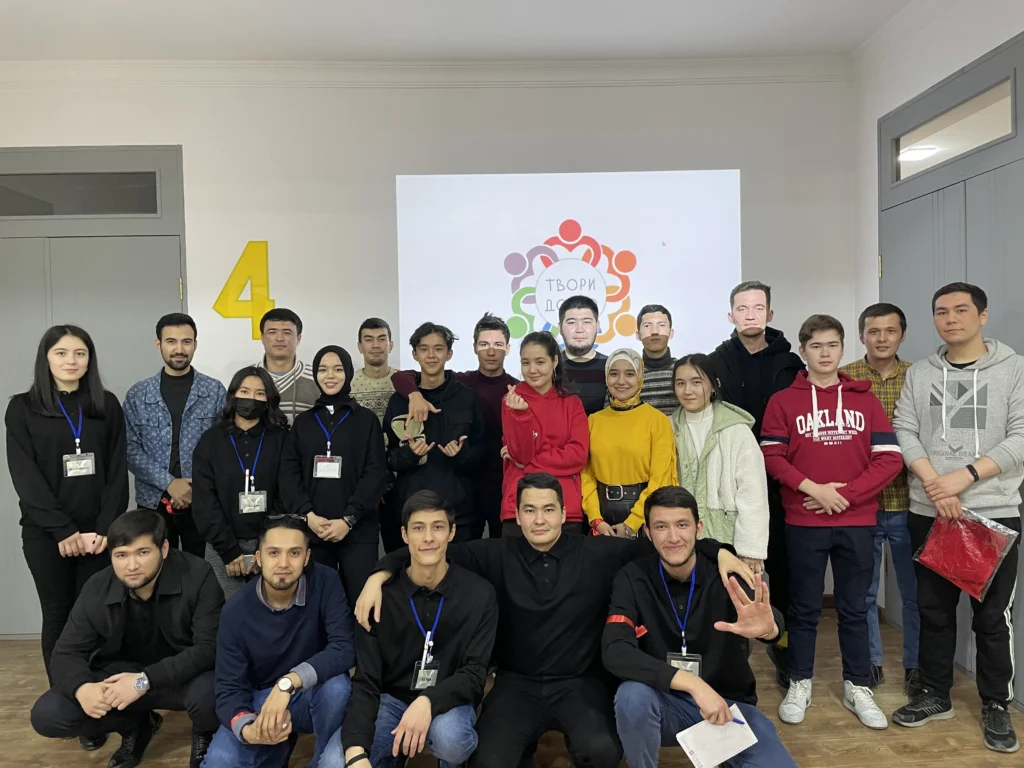
Driven by empathy and leadership, Abdukarimova founded Tvori Dobro, a youth-led humanitarian organization in Uzbekistan focused on supporting children with leukemia and other life-threatening conditions.
Key outcomes under her leadership include:

- Organizing fundraising and treatment support for pediatric cancer patients.
- Launching community awareness programs about early cancer detection and care.
- Mobilizing volunteers and medical students to provide emotional and logistical support to affected families.
Through Tvori Dobro, she successfully connected young volunteers, hospitals, and donors—creating a grassroots network that continues to assist families in need.
Vision for Pediatric Oncology Innovation
Abdukarimova’s long-term vision is to build a state-of-the-art pediatric cancer hospital that integrates:
- Digital and molecular pathology laboratories for advanced diagnostics.
- AI-driven treatment systems to personalize therapy and improve precision.
- Art therapy and creative spaces to nurture children’s emotional resilience.
- International research collaborations between young scientists and healthcare innovators.
Her proposed model goes beyond conventional healthcare—it introduces a human-centered approach to oncology, bridging the gap between scientific innovation and emotional well-being.
Impact and Global Outlook
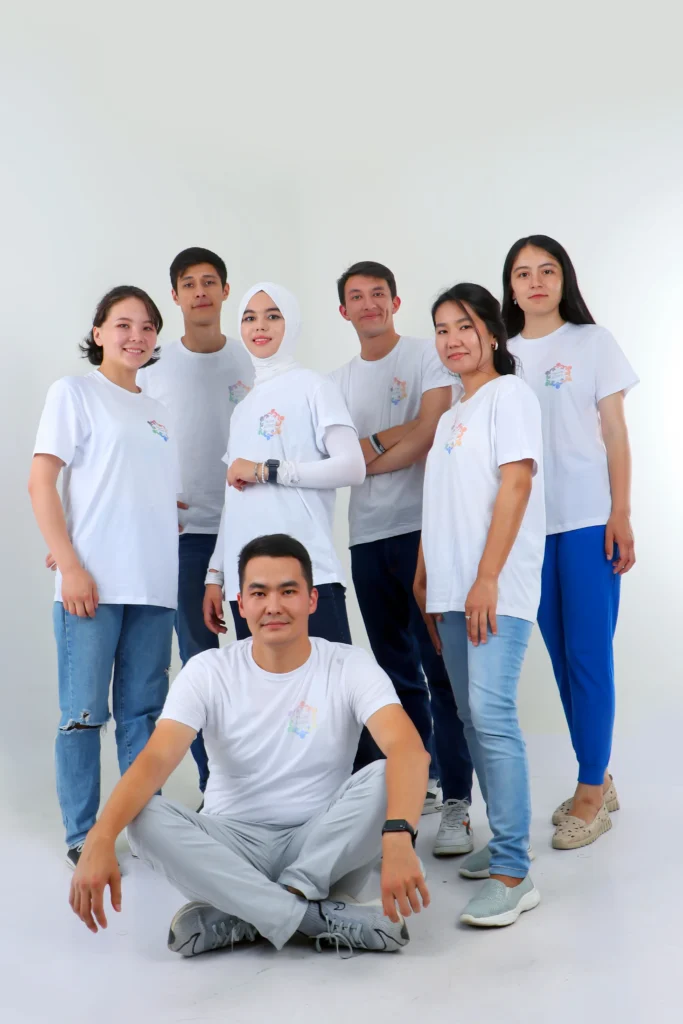
Abdukarimova represents a new generation of scientists who view healthcare through a global lens. Her initiatives have contributed to:
- Enhancing Public Awareness of Pediatric Cancer in Central Asia.
- Promoting cross-border collaboration in research and education.
- Inspiring young women in science to take leadership roles in humanitarian medicine.
Her voice, research, and humanitarian actions collectively demonstrate extraordinary promise in the field of pediatric oncology, with a tangible impact both in academia and community health.
Future Goals
Gavharoy Abdukarimova continues to expand her research network and academic collaborations in the U.S. and abroad. Her immediate focus includes:
- Advancing research in AI-powered oncology diagnostics.
- Establishing strategic partnerships for the pediatric hospital project.
- Developing education and mentorship programs for aspiring medical researchers in Uzbekistan.
Her long-term goal remains unwavering: to create a hospital that heals through science, compassion, and technology—a model for the future of pediatric healthcare.
Summary
Through a rare combination of scientific insight, humanitarian leadership, and visionary thinking, Gavharoy Abdukarimova exemplifies the type of extraordinary individual recognized under the O-1 visa category. Her body of work demonstrates consistent excellence, measurable community impact, and clear potential for global influence in pediatric oncology.