










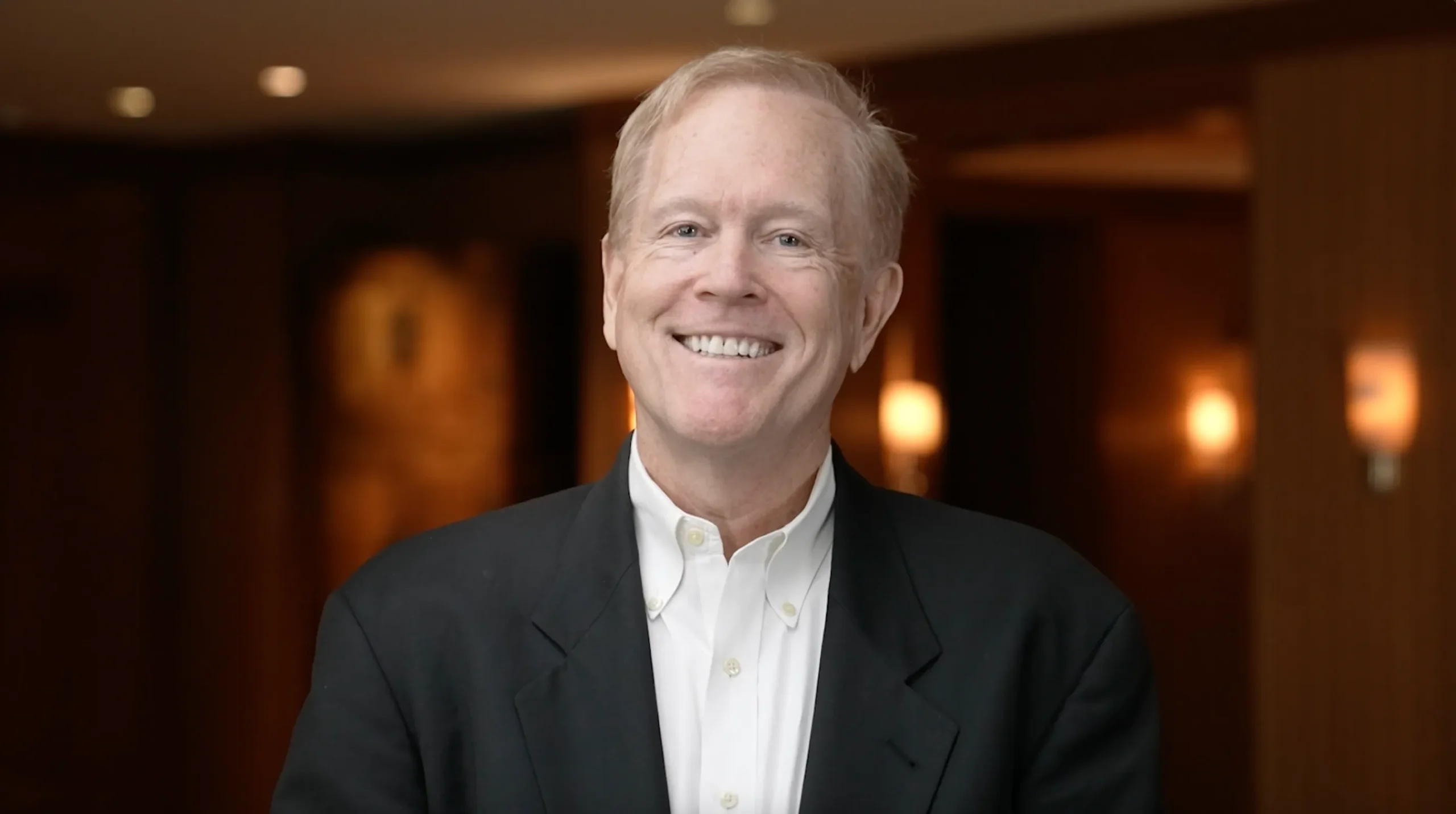
Dr. Robert Lufkin is an American physician, radiologist, medical professor, author and medical-technology innovator whose career has spanned diagnostic imaging, academic medicine, scientific research and, more recently, metabolic health and longevity.
Lufkin’s professional background is rooted in radiology and medical imaging. He studied computer science at Brown University and earned his medical degree from the University of Virginia School of Medicine. His professional biography says he later served as a professor at both the UCLA David Geffen School of Medicine and the USC Keck School of Medicine, where his academic interests have included the applied science of longevity.
His earlier academic work included research involving magnetic resonance imaging (MRI), head and neck imaging and image-guided procedures. His name appears on peer-reviewed publications dating back decades, including research on MRI-guided needle biopsy and MRI-guided access to anatomical structures.
In recent years, Lufkin has become better known outside radiology for his work and commentary on metabolic health, chronic disease and longevity. His 2024 book, Lies I Taught in Medical School: How Conventional Medicine Is Making You Sicker and What You Can Do to Save Your Life, became a New York Times bestseller, according to the book’s publisher and other biographical sources.
In 2026, his work expanded further into health technology when Vitals Vault identified him as its chief medical officer, with responsibility for clinical methodology surrounding biomarker interpretation, health reports and action-plan recommendations.
His career therefore provides an example of a physician moving from conventional diagnostic imaging and academic medicine into a broader public discussion about chronic disease prevention, metabolic health, longevity and data-driven healthcare.

Who Is Dr. Robert Lufkin?
Robert Lufkin is a physician whose original professional specialization was radiology, with a substantial body of work involving medical imaging.
His official biography describes him as a practicing physician, medical professor, author and longevity-focused educator. It states that he has written more than 200 peer-reviewed scientific papers and 14 books, although an earlier version of his professional materials gave a figure of more than 300 scientific papers. Because publication counts can change and biographies may be updated at different times, the more conservative description is that Lufkin has authored more than 200 peer-reviewed scientific papers.
Independent bibliographic records also confirm Lufkin’s participation in peer-reviewed medical research. For example, PubMed records list him as a co-author on research concerning MRI-guided procedures, head and neck imaging and studies involving brain structure and aging.
His professional identity has changed over time. While radiology and medical imaging remain central to his background, his public work now focuses heavily on metabolic health, chronic disease and longevity.
That distinction is important when assessing his expertise. Lufkin’s academic and scientific credentials are particularly well documented in radiology and medical imaging. His more recent views concerning nutrition, metabolic disease and longevity are best understood as part of his current area of public interest and should be evaluated separately against the broader medical literature.
Education and Medical Training
Lufkin’s official biography states that he studied computer science at Brown University before attending the University of Virginia School of Medicine, where he earned his medical degree.
The combination of computer science and medicine provides useful context for understanding his subsequent career.
Medical imaging is inherently technology-intensive, requiring physicians to work with sophisticated hardware, image-processing techniques and increasingly complex computational systems. Lufkin’s later interest in artificial intelligence, medical technology and health data can therefore be viewed alongside a professional career that began at the intersection of medicine and technology.
His academic career subsequently developed around radiology and medical imaging.
Career in Radiology and Medical Imaging
Radiology formed the foundation of Lufkin’s academic career.
His professional biography states that he served as a full professor of radiology at both the UCLA David Geffen School of Medicine and the USC Keck School of Medicine. The biography also identifies him as having served as president of the Society of Magnetic Resonance Imaging and president of the American Society of Head and Neck Radiology.
His publication record provides independent evidence of his involvement in academic radiology.
For example, a PubMed-indexed paper on MRI-guided access to the retropharynx lists Lufkin as a co-author and describes the use of MRI guidance for precise fine-needle aspiration and related procedures.
Another publication examined MRI-guided fine-needle aspiration for skull-base lesions. The study involved 14 patients and reported that an accurate diagnosis was established in seven of nine cases in which the results could later be confirmed through surgical exploration and histological analysis.
These publications illustrate the nature of Lufkin’s earlier scientific work: using medical imaging technology to improve diagnosis and guide procedures.
Research and Scientific Publications
Lufkin’s scientific career predates his current public focus on metabolic health by several decades.
PubMed records list him as a co-author on research involving head and neck conditions, MRI-guided procedures, brain imaging and other radiological applications. One study published in The American Journal of Geriatric Psychiatry examined longitudinal changes in brain structure in normal aging and included Lufkin among its authors.
Another study investigated the association between estrogen replacement therapy and progression of structural brain abnormalities in a small group of older women. Lufkin was among the researchers involved in the study.
His publication record is therefore broader than his current metabolic-health work.
It includes research conducted within academic medicine at a time when MRI and other imaging technologies were expanding rapidly. His later interest in longevity can be viewed against that background of studying disease, aging and human physiology through medical imaging and scientific research.
Medical Imaging Innovation
Lufkin’s professional biography also credits him with involvement in medical-device innovation.
One of the most frequently cited examples is an MRI-compatible biopsy needle that his biography says became known as the “Lufkin Needle.” His official materials describe the device as one of his inventions and say that it is used internationally.
Peer-reviewed literature provides additional context for his work in MRI-guided biopsy and image-guided procedures. A 1993 publication on MRI-guided needle biopsy of head and neck lesions lists Lufkin as a co-author, while another paper describes MRI-guided fine-needle aspiration for skull-base lesions.
These records establish that Lufkin’s involvement with MRI-guided procedures was part of his academic work rather than simply a later addition to his public biography.
His official biography also says that he has been involved in patents involving artificial intelligence and has founded or invested in technology companies. Those claims are attributable to his professional biography and should be distinguished from independently verified patent or corporate records.
Academic Work at UCLA and USC
Lufkin’s association with UCLA and USC is an important part of his professional profile.
His biography states that he held professorships at both institutions.
His connection to UCLA is also reflected in PubMed-indexed research involving the UCLA School of Medicine. Multiple publications list Lufkin as a member of UCLA-affiliated research teams, including studies in neuroradiology and head and neck imaging.
His professional biography currently describes an academic focus on the applied science of longevity, reflecting the evolution of his interests beyond traditional radiology.
Because academic appointments can change over time, descriptions of his university roles should be understood historically and checked against current institutional records when precise present-day titles are important.
From Radiology to Metabolic Health
Lufkin’s recent public identity is increasingly associated with metabolic health rather than radiology alone.
According to his own account, his interest in metabolic health was influenced by his personal experience with chronic health problems. He describes reaching a point at which, despite following what he understood to be conventional medical advice, he developed several metabolic and cardiovascular risk factors. He says that this experience prompted him to reassess some of the assumptions he had previously accepted and taught.
That personal experience became part of the narrative behind his 2024 book.
It is important, however, to distinguish personal experience from clinical evidence. An individual’s response to a particular diet, medication, lifestyle intervention or health strategy does not establish that the same approach will produce the same result in the broader population.
Lufkin’s experience helps explain the evolution of his professional interests; it does not by itself establish the effectiveness of every intervention he discusses.
Lies I Taught in Medical School
Published in 2024, Lies I Taught in Medical School became the central vehicle for Lufkin’s critique of conventional approaches to chronic disease.
The book’s full title is Lies I Taught in Medical School: How Conventional Medicine Is Making You Sicker and What You Can Do to Save Your Life. Publisher and rights-catalog materials identify it as a New York Times bestseller. A 2026 BenBella rights catalog reported more than 58,000 copies sold and listed international rights in several languages and territories.
The book argues that metabolic dysfunction is an important underlying factor in many chronic diseases and challenges readers to reconsider conventional approaches to nutrition, chronic disease and health management.
Its argument is deliberately provocative.
Rather than simply offering lifestyle advice, Lufkin presents the book as a reconsideration of medical assumptions that he says he once accepted as part of conventional medical education.
The book’s popularity has helped move Lufkin’s ideas beyond the professional medical community and into mainstream discussions about metabolic health and longevity.
What Lufkin Says About Conventional Medicine
A central theme of Lufkin’s public work is that healthcare has historically been better at treating established disease than preventing the conditions that contribute to it.
He argues that metabolic health deserves greater attention and that factors such as nutrition, physical activity, sleep and stress can influence long-term health.
These ideas overlap with areas of established medical research, particularly the importance of lifestyle factors in chronic disease prevention. However, Lufkin’s broader interpretation of metabolic dysfunction and his criticism of conventional medical practice are not synonymous with medical consensus.
This distinction is essential.
A physician can have substantial expertise and still advance interpretations that are debated within medicine. Likewise, conventional medical practice is not static; recommendations change as evidence develops.
For that reason, Lufkin’s statements about medicine are best presented as his perspective, while specific medical claims should be evaluated independently against clinical research and professional guidelines.
Metabolic Health and Chronic Disease
Lufkin’s current public work places metabolic health at the center of discussions about chronic disease.
He frequently connects metabolic health with conditions including obesity, hypertension, diabetes and cardiovascular disease. His book argues that these conditions should be understood in the context of broader metabolic dysfunction rather than treated solely as unrelated diagnoses.
There is substantial medical evidence that metabolic risk factors are associated with chronic diseases such as type 2 diabetes and cardiovascular disease. However, the mechanisms, definitions and clinical implications of “metabolic health” vary across research settings.
This is one reason it is useful to separate the general concept from Lufkin’s particular interpretation.
His argument is that medicine should place greater emphasis on identifying metabolic risk before serious disease becomes established. That position forms an important part of his public philosophy, but individual screening strategies and treatment decisions still require clinical context.
Longevity and Healthy Aging
Longevity has become another major focus of Lufkin’s work.
His official biography describes his academic interest as the applied science of longevity.
In this context, longevity is not simply about extending the number of years a person lives. Much of the broader longevity field is concerned with healthspan—the period of life spent in relatively good physical and cognitive health.
Lufkin’s approach emphasizes metabolic health, risk assessment, lifestyle and medical measurement.
His background in imaging is relevant here because medical imaging can provide information about anatomical and physiological changes that may not be apparent from symptoms alone. His current work also increasingly involves laboratory biomarkers and health data.
The broader scientific field of longevity remains active and rapidly developing. Some interventions and biomarkers have strong evidence behind them, while others remain experimental or controversial. A responsible discussion therefore requires distinguishing established preventive medicine from emerging longevity practices.
Health Longevity Secrets
Lufkin has also developed a significant public-facing media presence through Health Longevity Secrets.
His official website describes the program as a weekly video podcast focused on metabolic health and longevity and says it reaches more than 1.2 million people each week. That audience figure is a claim made by Lufkin’s own website rather than an independently audited measurement.
The platform allows Lufkin to communicate directly with a general audience rather than relying exclusively on academic journals and professional conferences.
This represents a significant change in how medical expertise reaches the public.
Physicians and researchers increasingly use podcasts, newsletters, YouTube and other digital platforms to discuss research and health information. The advantage is accessibility; the challenge is maintaining appropriate distinctions between established evidence, emerging research, professional interpretation and personal opinion.
Robert Lufkin and Vitals Vault
In 2026, Lufkin became chief medical officer of Vitals Vault, a health-technology company focused on biomarker testing and data-driven health analysis.
Vitals Vault’s medical review board currently identifies Lufkin as its chief medical officer and states that he oversees the clinical methodology behind biomarker interpretation, report insights and action-plan recommendations.
A company announcement dated April 3, 2026, said Lufkin would lead clinical strategy, oversee an expanding imaging program and contribute to development of the company’s health-intelligence engine.
The appointment connects several strands of Lufkin’s career: radiology, medical imaging, metabolic health, biomarkers and health technology.
It also illustrates the broader movement toward combining laboratory data, medical imaging and software-based analysis in preventive healthcare.
Because Vitals Vault is a commercial health platform, claims about its services, testing methodology or clinical benefits should be treated as company claims unless independently supported by clinical evidence.
Biomarkers and Personalized Health Data
Biomarkers are central to contemporary preventive and precision-medicine research.
Vitals Vault describes a system that analyzes laboratory data and calculates a range of health-related ratios and markers. Its website says its reports use PubMed-cited reasoning for individual findings.
Lufkin’s role places him within this broader effort to make health data more understandable to consumers.
However, more data does not necessarily mean better medical decision-making.
A biomarker must be interpreted in context. Reference ranges, disease thresholds, individual risk factors, age, medical history and the reason for testing can all affect the meaning of a result. A laboratory value that is statistically unusual is not necessarily evidence of disease, and a value within a conventional reference range does not necessarily guarantee optimal health.
This is an important distinction when discussing personalized health platforms.
The potential value of such systems lies not simply in generating additional measurements but in determining which measurements are clinically meaningful and whether acting on them actually improves health outcomes.
What Is Established Science and What Is Lufkin’s Interpretation?
A useful way to understand Lufkin’s current work is to separate three categories.
Established medical evidence
There is broad evidence supporting the importance of factors such as physical activity, appropriate nutrition, blood-pressure control, smoking cessation and management of established cardiovascular and metabolic risk factors.
Lufkin’s interpretation
Lufkin places greater emphasis than many conventional health communications on metabolic dysfunction as a unifying explanation for chronic disease and argues for a stronger preventive approach.
These positions represent his interpretation of medical evidence and his professional philosophy.
Areas requiring continued research
Questions involving optimal biomarker ranges, personalized longevity interventions, the clinical value of increasingly broad screening programs and some emerging approaches to metabolic optimization remain subjects of ongoing research and debate.
Maintaining these distinctions allows readers to understand Lufkin’s ideas without presenting contested interpretations as settled medical consensus.
A Career at the Intersection of Medicine and Technology
Technology has been a recurring theme throughout Lufkin’s career.
His education included computer science. His academic career developed around medical imaging. His research included MRI-guided procedures. His professional biography describes involvement in artificial-intelligence patents and medical-device innovation. His current public work emphasizes biomarkers and health data, while his role at Vitals Vault places him within a technology-driven healthcare company.
Seen from that perspective, his transition toward health intelligence is less a complete departure from radiology than an expansion of the same basic interest: using technology and measurable information to understand health.
Medical imaging provided one form of data.
Laboratory biomarkers provide another.
Artificial intelligence and software provide increasingly sophisticated ways of processing both.
The question for healthcare is whether these technologies can translate additional information into better decisions and, ultimately, better outcomes.
Books and Written Work
Lufkin’s writing spans both scientific and popular medical publishing.
His professional biography states that he has authored 14 books and more than 200 peer-reviewed scientific papers.
His most prominent recent book is Lies I Taught in Medical School, published in 2024.
The book has become an important part of his public identity, particularly because of its challenge to conventional approaches to chronic disease and metabolic health. It has also been translated or licensed for publication in multiple international markets, according to publishing rights materials.
His scientific publications, meanwhile, reflect a considerably different phase of his career, with many papers focused on medical imaging, radiology and related clinical applications.
Professional Recognition
Lufkin’s professional biography lists several leadership and speaking roles.
Among them are presidencies of the Society of Magnetic Resonance Imaging and the American Society of Head and Neck Radiology. His biography also says he has been a frequent invited and keynote speaker and was named one of the “100 Most Creative People in Los Angeles” by Buzz Magazine.
These claims should be understood as biographical information supplied by Lufkin’s professional materials unless independently corroborated by the relevant organizations.
His strongest independently verifiable professional record is his presence in the scientific literature and his documented involvement in academic medicine and radiological research.
Why Robert Lufkin’s Career Is Relevant to the Changing Healthcare Landscape
Lufkin’s career intersects with several major developments in contemporary healthcare.
The first is the continuing shift from treatment toward prevention.
The second is the increasing importance of metabolic health in discussions of chronic disease.
The third is the growing availability of biomarkers and other health measurements.
The fourth is the expanding use of artificial intelligence and software in healthcare.
The fifth is the increasing role of physicians as direct-to-public health communicators.
Lufkin’s professional journey touches all five areas.
His earlier career represents the development of increasingly sophisticated medical imaging. His recent work emphasizes metabolic health and longevity. His books and media work have brought those subjects to a general audience. His role at Vitals Vault connects his medical background with biomarker analysis and health technology.
Frequently Asked Questions
Who is Dr. Robert Lufkin?
Dr. Robert Lufkin is an American physician, radiologist, medical professor, author and health educator. His career includes academic work in radiology and medical imaging, research publications and more recent work focused on metabolic health and longevity.
Where did Robert Lufkin study medicine?
According to his official biography, Lufkin studied computer science at Brown University and earned his medical degree from the University of Virginia School of Medicine.
Was Robert Lufkin a professor at UCLA and USC?
Yes. His professional biography states that he served as a professor at both the UCLA David Geffen School of Medicine and the USC Keck School of Medicine. His scientific publications also document research affiliations with UCLA.
What is Robert Lufkin known for?
Lufkin is known for his career in radiology and medical imaging, his scientific publications, his work in MRI-guided procedures, his book Lies I Taught in Medical School and his more recent public work on metabolic health and longevity.
What is Lies I Taught in Medical School about?
The book challenges aspects of conventional approaches to chronic disease and argues for greater attention to metabolic health, lifestyle and prevention. It presents Lufkin’s interpretation of medical evidence and his personal experience rather than representing a statement of medical consensus.
Is Robert Lufkin a radiologist?
Yes. Radiology and medical imaging form a major part of his professional background, and his scientific publication record includes numerous papers related to MRI and radiological applications.
What is Robert Lufkin’s role at Vitals Vault?
Vitals Vault currently identifies Lufkin as its chief medical officer. The company says he oversees clinical methodology related to biomarker interpretation, health reports and action-plan recommendations.
Does Robert Lufkin specialize in longevity?
Longevity is a major focus of his current professional and public work. His official biography describes his academic interest as the applied science of longevity.
Is everything Robert Lufkin says about health established medical consensus?
No. Lufkin is a physician and experienced medical researcher, but some of his public arguments deliberately challenge conventional approaches. His statements should therefore be distinguished from broader medical consensus and evaluated against current clinical evidence.
Editorial Note and Medical Disclaimer
This article is a biographical and editorial profile of Dr. Robert Lufkin. It distinguishes, where possible, between independently documented professional information, statements made by Lufkin or organizations with which he is associated, and broader medical evidence.
Descriptions of Lufkin’s views on metabolic health, nutrition, chronic disease and longevity should not be interpreted as medical advice or as representing the consensus position of the medical profession.
Medical evidence changes over time, and individual health decisions should be discussed with a qualified healthcare professional who can consider a person’s medical history and circumstances.
Sources and Further Reading
The principal sources used to research this profile include Dr. Robert Lufkin’s official biography and press materials, peer-reviewed publications indexed by PubMed and PMC, University of Southern California materials, publishing-industry records and Vitals Vault’s current medical leadership information.
Primary and institutional sources
- Robert Lufkin’s official biography
- Robert Lufkin’s official press kit
- USC Keck School of Medicine Department of Radiology
- Vitals Vault Medical Review Board
Scientific and academic sources
- MRI-guided fine-needle aspiration for skull-base lesions — PubMed Central
- MRI-guided access to the retropharynx — PubMed
- Longitudinal progression of subclinical structural brain disease in normal aging — PubMed
- Congenital implantation cholesteatomas — PubMed
Publishing and book sources