











Longevity has become one of the most talked-about subjects in modern health and wellness. Blood tests promise a closer look at biological age. Wearable devices turn sleep, movement and recovery into daily scores. Supplements, personalized nutrition plans and increasingly sophisticated medical technologies offer new ways to monitor the body and potentially influence how we age.
For many people, these developments represent genuine progress. Better access to information and advances in preventative medicine have created opportunities to understand health in ways that previous generations could not. Yet the expanding range of options has introduced a different challenge: knowing which information matters, which interventions are appropriate and when the pursuit of better health begins to take over the life it is supposed to support.
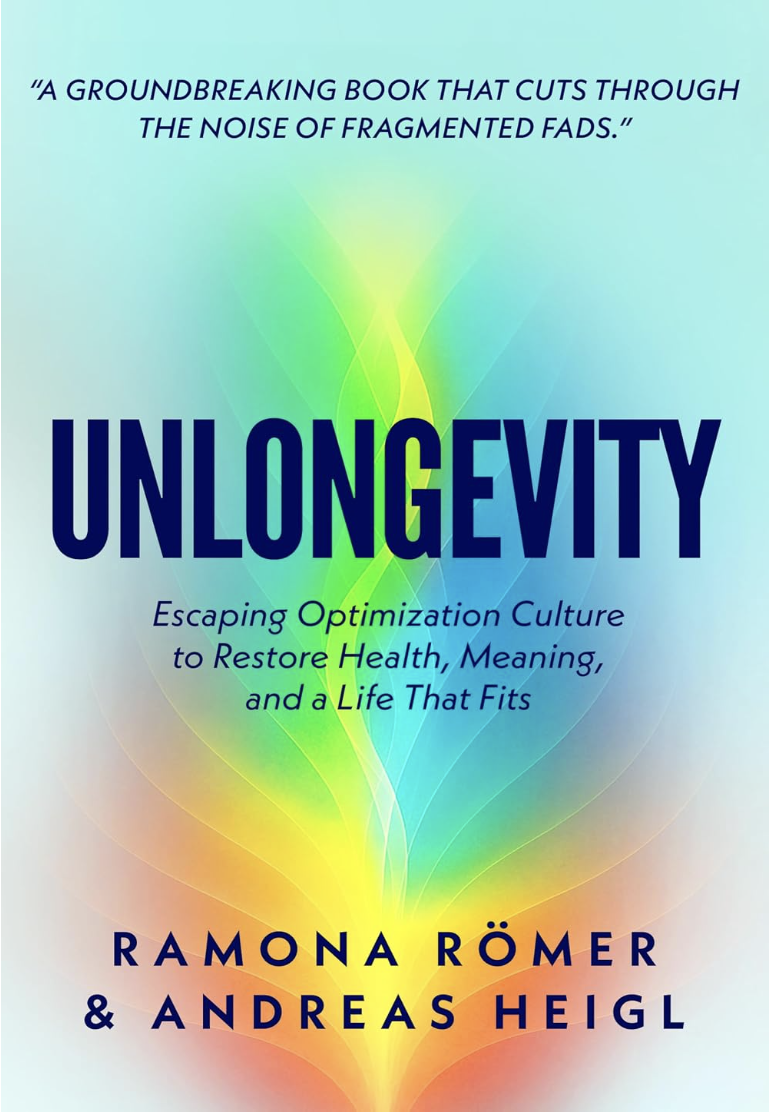
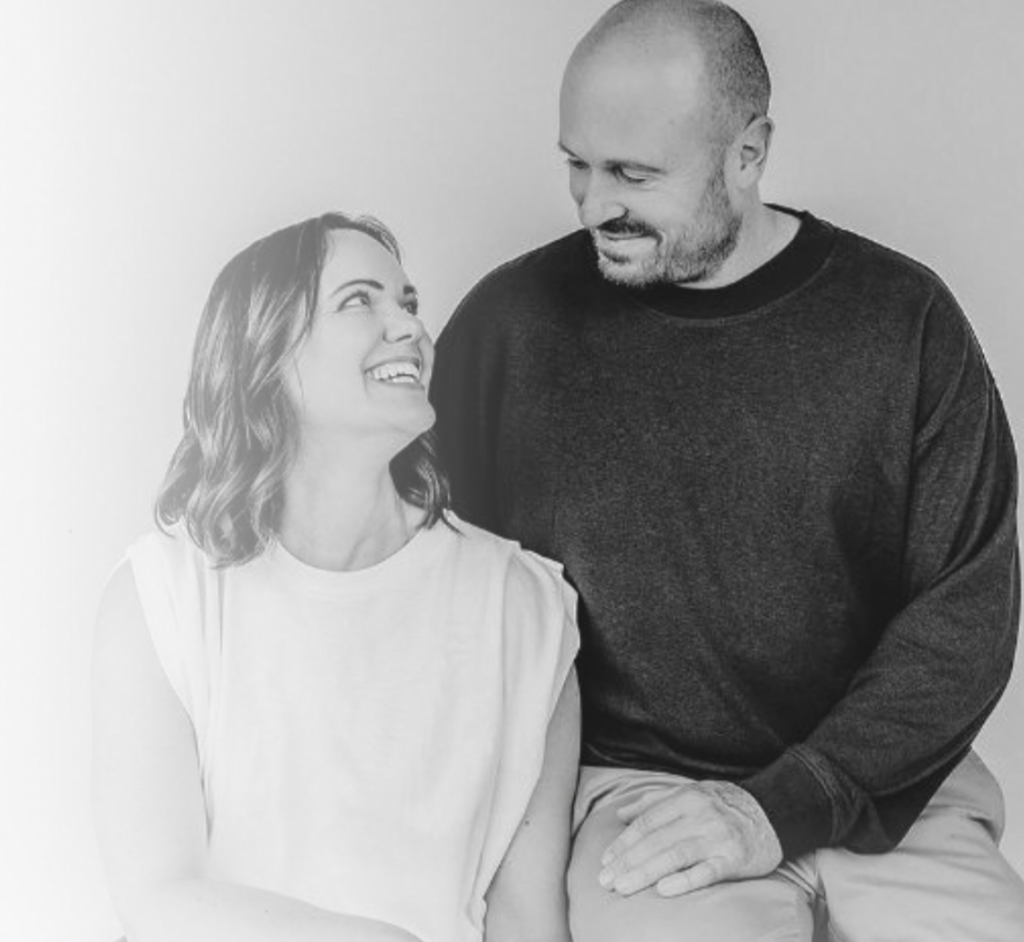
That tension is central to Unlongevity: Escaping Optimization Culture to Restore Health, Meaning, and a Life That Fits, the book by Ramona Römer and Andreas Heigl, co-founders of VIMED CELL in Basel, Switzerland. Rather than treating longevity as a problem that can be solved through an ever-growing collection of measurements and interventions, the authors invite readers to reconsider the assumptions behind the modern obsession with optimization.
Their argument is not that scientific progress should be rejected or that people should stop taking their health seriously. It is that the tools available to us are only as useful as our ability to interpret them within the context of an individual life. More data does not automatically produce better decisions, just as adding more treatments, routines or supplements does not guarantee better health.
The distinction matters in a culture where self-improvement can easily become an endless assignment. There is always another metric to track, another habit to refine and another potential weakness to address. The promise of control can leave people feeling that their health is never quite good enough.
Through Unlongevity, Römer and Heigl ask readers to consider what happens when the effort to extend life becomes disconnected from the experience of living it.
The contemporary wellness industry often presents health as a series of problems waiting to be identified and corrected. A poor night’s sleep becomes a score to improve. A change in a laboratory result prompts another round of investigation. A new study introduces a nutrient, behavior or intervention that might offer an advantage. Each discovery can be useful in the right circumstances, but the accumulation of recommendations can make it difficult to distinguish meaningful action from unnecessary complexity.

The result is a paradox. People may have more access to health information than ever before while feeling less certain about what to do with it.
The problem is not curiosity or prevention. It is the expectation that every aspect of the body and mind must be continually monitored and improved. Under that pressure, ordinary fluctuations can become sources of anxiety, and routines intended to support well-being can begin to dictate how a person spends their time.
A person can follow an elaborate health regimen and still feel exhausted, disconnected or dissatisfied. Someone else may be following fewer interventions but benefiting from consistent sleep, supportive relationships, manageable stress and a sense of direction. Neither situation can be understood through a single measurement alone.
This is the kind of distinction that gives Unlongevity its relevance beyond the longevity conversation itself. The book examines the limitations of approaching health as an isolated technical problem, particularly when the circumstances shaping a person’s well-being extend far beyond physiology.
It also raises a practical question for anyone navigating today’s crowded wellness landscape: How can people make informed choices without turning their lives into perpetual experiments?
Römer and Heigl’s approach encourages discernment rather than automatic accumulation. The objective is not to dismiss potentially valuable interventions, but to recognize that their usefulness depends on the individual, the circumstances and the problem they are intended to address.
One of the book’s central ideas is that health cannot be fully understood by examining biological information alone. Physical condition, emotional experience, cognitive function, available energy and a person’s sense of purpose influence one another. Looking at any one of these dimensions without considering the others can produce an incomplete picture.
This broader perspective challenges the tendency to divide human health into separate categories. In conventional settings, different concerns may be addressed by different specialists, tests or programs. Specialization can be essential, particularly when a person needs expert medical care. But a collection of individual findings does not necessarily explain how someone is functioning as a whole.
Consider a person who is persistently tired. The immediate temptation may be to search for a nutritional deficiency, adjust a supplement routine or purchase another device to measure sleep. Depending on the circumstances, a medical evaluation may be necessary and could identify a treatable condition. But understanding the person’s experience may also require considering stress, workload, sleep patterns, emotional strain and the practical demands of everyday life.
These factors do not replace medical investigation. They help establish the context in which findings should be interpreted.
The same principle applies to preventative health. A test can provide valuable information without independently determining what a person should do next. A measurement must be understood in relation to medical history, symptoms, risk factors and other relevant evidence. The existence of a number does not, by itself, establish the need for an intervention.
This is particularly important as health technologies become more accessible to consumers. The ability to collect information has expanded rapidly, but interpreting that information responsibly remains a separate skill.
Unlongevity encourages a more integrated way of thinking, one that makes room for scientific evidence while recognizing the complexity of the person receiving care. The point is not to replace measurable outcomes with intuition. It is to avoid confusing what can be measured with everything that matters.
The desire to take action is understandable. When faced with uncertainty about aging, disease or declining energy, people naturally look for ways to regain a sense of control. A new test offers information. A supplement provides a concrete task. A structured routine creates the feeling of forward movement.
But activity and effectiveness are not the same thing.
An intervention can be expensive, time-consuming or scientifically fashionable without being necessary for a particular individual. Conversely, basic measures that receive less attention in the wellness marketplace may have substantial relevance to everyday health. The challenge is determining what deserves priority rather than assuming that a longer list of interventions represents a better strategy.
This distinction also has consequences for how people evaluate success. When wellness is treated as an optimization project, the standard can keep moving. An improved result creates a new target. A successful routine becomes the starting point for a more demanding one. Instead of producing confidence, the process can reinforce the feeling that something remains unfinished.
The authors’ perspective invites a different set of questions. What is a person hoping to accomplish? Which health concerns have the greatest significance? Are the chosen interventions addressing those concerns, and are their potential benefits worth their costs and burdens? Does the routine make everyday life more manageable, or has it become another source of pressure?
These questions do not have identical answers for everyone. A person managing a chronic condition may need a detailed treatment plan and regular monitoring. Someone with a specific medical risk may benefit from targeted screening or preventive intervention. Another person may discover that their immediate priorities involve addressing sleep problems, seeking appropriate medical advice or creating a more sustainable daily schedule.
The important distinction is that a health strategy should respond to an actual need rather than an abstract demand to keep improving.
That approach requires judgment, and judgment can be more difficult than following a standardized checklist. It means acknowledging uncertainty, weighing competing priorities and accepting that not every available option belongs in every person’s life.
Preventative health is most useful when it helps people identify meaningful risks and make informed decisions before problems become more difficult to address. Yet prevention can become counterproductive when the pursuit of risk reduction expands without a clear sense of proportion.
Modern consumers encounter a steady stream of claims about the next breakthrough in aging, performance or recovery. Some developments are supported by substantial evidence; others remain preliminary, are difficult to apply broadly or are promoted with greater certainty than the research warrants. Separating these categories requires careful evaluation.
The growing interest in personalized health makes this challenge even more important. Personalization can be valuable when it accounts for relevant differences in medical history, biology, lifestyle and individual needs. It becomes less useful when it creates the impression that every person requires an increasingly elaborate and exclusive protocol.
Römer and Heigl’s emphasis on context offers a way to approach this distinction. Information should contribute to a clearer understanding of a person’s circumstances and help guide appropriate decisions. It should not automatically generate another task simply because a new measurement or recommendation is available.
This perspective also highlights the importance of working with qualified healthcare professionals when interpreting tests, evaluating symptoms or making treatment decisions. A broad understanding of well-being can complement evidence-based medical care, but it cannot substitute for diagnosis, established treatment or appropriate clinical oversight.
For readers, the practical lesson is to become more deliberate consumers of health information. Before adopting a new routine, it is worth understanding what the intervention is intended to accomplish, how strong the supporting evidence is, what its limitations might be and whether it addresses a relevant concern.
In a marketplace that often rewards novelty, the ability to decide against an unnecessary intervention can be as valuable as the ability to recognize a useful one.
A discussion about longevity inevitably leads to a question that medical measurements cannot answer on their own: What is the additional time for?
A longer life may create more opportunities for learning, relationships, work, exploration and contribution. But the value of those opportunities depends partly on the quality of the life being extended. Years cannot be evaluated solely as a numerical achievement, detached from the experiences and connections that give them significance.
Purpose does not need to mean a singular mission or an extraordinary accomplishment. It may be found in raising a family, maintaining friendships, pursuing creative work, caring for others, participating in a community or continuing to discover new interests. Its expression varies from one person to another, and it may change considerably over the course of a lifetime.
Relationships also influence how people experience their health and their place in the world. Time spent with loved ones, a sense of belonging and the ability to participate in meaningful activities are not simply additions to an otherwise complete wellness plan. They are part of the circumstances in which well-being is experienced.
Emotional health deserves similar consideration. Persistent stress, isolation or a sense of being overwhelmed can affect daily functioning and the ability to maintain healthy routines. These experiences should not be reduced to another set of performance indicators, nor should they be treated as problems that can always be solved through individual discipline.
By placing these dimensions alongside physical health, Unlongevity broadens the conversation about what it means to care for oneself. It asks readers to consider whether their health decisions support the things they value, rather than allowing the pursuit of better measurements to become the dominant organizing principle of their lives.
This is not an argument against ambition or self-improvement. It is a distinction between pursuing health in service of a meaningful life and organizing a meaningful life around the pursuit of health.
One of the most appealing implications of this approach is its recognition that there is no single routine that can be expected to work equally well for everyone.
People have different responsibilities, resources, medical histories and tolerances for complexity. A strategy that is practical for someone with substantial time and financial flexibility may be unrealistic for a person balancing demanding work, caregiving responsibilities or limited access to care. Even when two people share a similar health goal, the steps that make sense for each may differ.
A useful approach must therefore account for more than an idealized list of habits. It must be workable within the conditions of everyday life.
For some people, that could mean simplifying an unnecessarily complicated routine. For others, it might involve seeking medical guidance, establishing more consistent sleep patterns, making time for physical activity or addressing a source of persistent stress. The appropriate course depends on the individual rather than on the popularity of a particular intervention.
Sustainability is central to this distinction. A plan that demands so much attention that it becomes difficult to maintain may be less useful than a simpler approach that can be integrated into daily life. The goal is not to eliminate effort, but to direct effort toward priorities that have genuine value.
This also means allowing room for change. Health needs evolve, responsibilities shift and personal goals develop. A strategy that once made sense may eventually require revision. Flexibility is not necessarily a failure of discipline; it can be evidence that a person is responding thoughtfully to changing circumstances.
The broader message is that health should be adaptable to the person, rather than requiring the person to continually reorganize life around an inflexible ideal.
The longevity conversation is unlikely to slow down. Scientific research will continue to investigate the mechanisms of aging, new technologies will expand the range of available measurements, and medical advances may create meaningful opportunities to prevent or treat disease. These developments deserve careful attention, especially when they lead to better outcomes and greater quality of life.
But scientific possibility and personal priority are different questions. The existence of a new technology does not establish that everyone needs it, and the ability to extend a biological metric does not automatically determine whether a particular choice is worthwhile.
Unlongevity offers a way to examine these questions without rejecting the value of scientific progress. Its challenge is directed at the assumption that health must always involve more intervention, more measurement and more optimization. Instead, Römer and Heigl encourage readers to consider how the different parts of their lives fit together and whether their choices serve their broader needs.
That shift changes the meaning of success. Rather than treating longevity as an achievement measured primarily in years, it opens the conversation to the conditions that make those years meaningful: physical functioning, emotional well-being, connection, purpose and the freedom to participate in the activities that matter to an individual.
It also restores a sense of proportion to personal health decisions. Some interventions will be essential. Others may be helpful in specific circumstances. Still others may offer little benefit relative to the time, money or attention they require. Knowing the difference is part of taking health seriously.
Ultimately, the questions raised by Unlongevity extend beyond aging. They concern the pressure to turn every aspect of modern life into a project of continuous improvement, from productivity and appearance to fitness and personal performance. The promise of optimization is that enough effort will eventually produce a better version of ourselves. The risk is that the finish line continually recedes.
Römer and Heigl invite readers to consider a more useful measure of progress: whether their choices help them live with greater health, clarity and purpose, within the realities of their own circumstances.
A longer life can be a worthwhile goal. But the years themselves are only part of the equation. The other part is what people are able to do with them, whom they share them with and whether the pursuit of well-being leaves enough room to enjoy the life they are working so hard to preserve.